The DBS Barred List is a record of individuals who are legally prohibited from working with children or vulnerable adults in regulated activity. Being included on a barred list is a serious consequence, and it can result from a criminal conviction, from other information held by the Disclosure and Barring Service, or from both.
This guide explains what the barred lists are, how they work, how someone is placed on them, and what the existence of these lists means for self-employed workers who need an Enhanced DBS check.
What the Barred List Is
The Disclosure and Barring Service maintains two barred lists. The Children’s Barred List contains the names of individuals who are prohibited from working in regulated activity with children. The Adults’ Barred List contains the names of individuals who are prohibited from working in regulated activity with adults.
Being on a barred list is a legal prohibition. A barred person cannot work in regulated activity with the relevant group. It is a criminal offence, carrying a maximum sentence of five years’ imprisonment, for a barred person to apply for or accept work in regulated activity. It is also a criminal offence for an employer or organisation to knowingly allow a barred person to work in regulated activity.
The lists are not publicly accessible. An individual’s barred status can only be revealed through an Enhanced DBS check that includes the relevant barred list check, through a subject access request made by the individual themselves, or through certain referral and disclosure processes managed by the DBS.
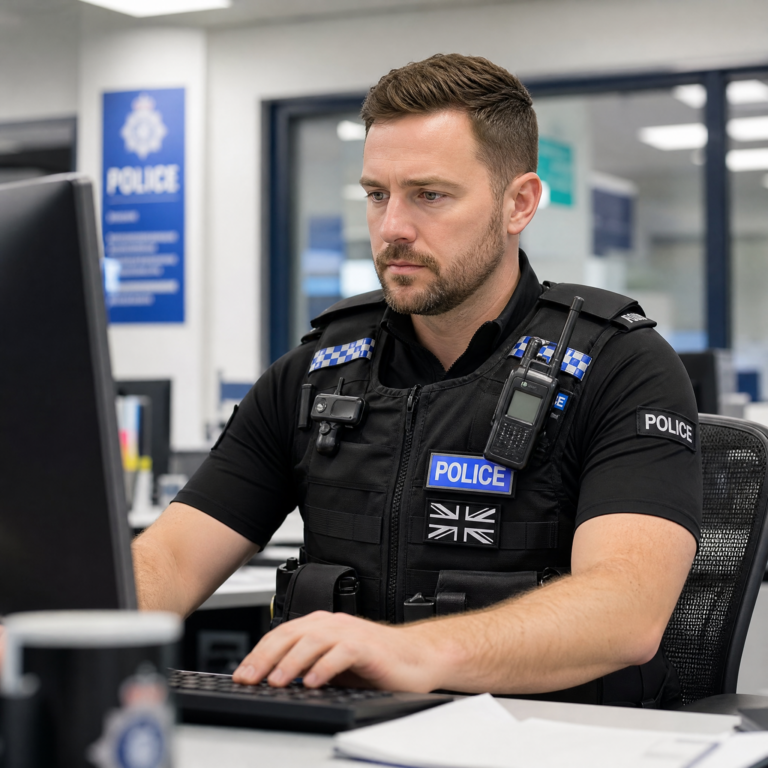
The Children's Barred List
The Children’s Barred List records individuals who have been barred from working with children in regulated activity. This includes any paid or voluntary role that involves the activities specified in Schedule 4 of the Safeguarding Vulnerable Groups Act 2006: teaching, caring for, supervising, instructing, or treating children, among others.
A person on the Children’s Barred List cannot work as a teacher, private tutor, childminder, nanny, sports coach, youth worker, or in any other role that constitutes regulated activity with under-18s. The prohibition applies regardless of the employment structure: employed, self-employed, or volunteer.
Before January 2026, a self-employed private tutor had no way to verify they were not on the Children’s Barred List through a DBS application, because the Enhanced check route was not available to them. The same was true for clients: parents hiring a private tutor could not request an Enhanced check with a barred list element, because the self-employed worker had no route to obtain one. That gap is now closed, and both parties can access this level of assurance.
The Adults' Barred List
The Adults’ Barred List records individuals who have been barred from working with adults in regulated activity. This primarily covers roles involving personal care, healthcare, social work, and related activities provided to adults because of their age, illness, or disability.
A self-employed carer providing personal care in a client’s home, a support worker assisting an adult with daily living, or a private healthcare professional treating a vulnerable adult are all examples of roles where the Adults’ Barred List check is the appropriate element to include in an Enhanced check.
Some roles involve regulated activity with both children and adults, for example a healthcare professional who treats patients of all ages. In these cases, an Enhanced check can include checks of both lists simultaneously. The statutory fee is the same regardless of whether one or both lists are checked.
How Someone Is Placed on a Barred List
There are two routes by which someone can be placed on a barred list: automatic barring and discretionary barring.
Automatic barring applies where a person is convicted of, or cautioned for, one of a specified set of serious offences. These offences include the most serious sexual and violent offences against children and adults. On conviction or caution for such an offence, the person is automatically added to the relevant barred list without any separate review by the DBS. For the most serious offences, there is no right to make representations and no process to be removed from the list.
Discretionary barring applies where the DBS receives information about a person and considers whether, based on that information, the person poses a risk of harm in regulated activity. This can result from a referral by an employer, a regulatory body, or a professional organisation, or from information arising through the criminal justice system. In discretionary cases, the person has the right to make written representations to the DBS before a decision is made.
Employers and organisations are legally required to make a referral to the DBS when they dismiss or remove a person from regulated activity because of concerns about harm or risk of harm to children or vulnerable adults. Failure to make a referral when required is a criminal offence.
The barring process can take time, particularly where discretionary barring is involved. During the assessment period, the DBS may impose an interim barring order that prevents the individual from working in regulated activity while the investigation is ongoing. Interim barring is not a final determination but has the same practical effect as a full bar until a decision is reached.
When a Barred List Check Is Included in an Enhanced Application
A barred list check is included in an Enhanced DBS check only where the role involves regulated activity. It is not included automatically in all Enhanced checks; the role must qualify.
When applying for an Enhanced check through self-employed-dbs.co.uk, you will be asked to confirm whether your role constitutes regulated activity and which list, if any, should be checked. For a tutor working with children, the Children’s Barred List is the relevant element. For a carer working with vulnerable adults, the Adults’ Barred List applies. For roles spanning both groups, both lists can be checked in a single application.
Including a barred list check in an Enhanced application does not increase the statutory DBS fee. The fee for an Enhanced check with a barred list element is the same as for an Enhanced check without one: £49.50. Full details of fees are available on the DBS check costs page.
When a self-employed worker applies for an Enhanced DBS check through a registered platform, the application form includes a question about whether the role involves regulated activity. If the answer is yes, the barred list check is included automatically. The resulting certificate will confirm whether the applicant appears on the relevant barred list or lists.
What the Barred List Means for Self-Employed Workers
For self-employed workers in regulated activity roles, the availability of a barred list check as part of an Enhanced DBS application is the most significant aspect of the January 2026 legislative change. It is what allows clients and parents to obtain the same level of safeguarding assurance from a self-employed worker as they would from someone in employed regulated activity.
From a practical standpoint, most self-employed workers in roles with children or vulnerable adults will have nothing to disclose, and the barred list element of their Enhanced check will confirm they are not barred. The certificate provides that confirmation clearly and formally, which is what clients need to see.
For the small number of individuals who are barred, the check provides the mechanism by which that fact is disclosed. This is the safeguarding purpose the check is designed to serve, and it is the reason that access to this level of check was closed to self-employed workers for so long.
More detail on how the Enhanced check works and who qualifies is available on the Enhanced DBS check page.
For details on how to apply for an Enhanced DBS check with a barred list element as a self-employed worker, see our self-employed DBS checks page.
Checking Whether You Are on a Barred List
Individuals have the right to ask the DBS whether they appear on either barred list. This is done through a subject access request under the UK General Data Protection Regulation. The DBS will confirm whether your name appears on the Children’s Barred List, the Adults’ Barred List, or both.
A subject access request does not replace a DBS check and cannot be used as proof of suitability for a role. It simply confirms your own barred list status. The request is free and can be made by writing to the DBS or submitting the form published on GOV.UK.
If you are not on a barred list and your role involves regulated activity, you will still need a full Enhanced DBS check with a barred list element to satisfy most client and commissioning body requirements. The barred list check is carried out as part of the Enhanced application and appears on the resulting certificate.
How Referrals to the Barred List Work
Employers and regulated activity providers have a legal duty to refer individuals to the DBS where certain conditions are met. A referral is required when an employer has dismissed or removed someone from regulated activity, or would have done so had the person not resigned, because they caused harm or posed a risk of harm to a child or vulnerable adult.
Referrals can also come from professional bodies, local authorities, and the police. Once a referral is received, the DBS assesses the information and decides whether to add the individual to one or both barred lists. The individual is notified and given the opportunity to make representations before a final decision is made, except in cases of automatic barring where the law provides no right of appeal at the initial stage.
Self-employed workers are not exempt from this framework. If a self-employed person is found to have caused harm in a regulated activity role, a referral can still be made by the client, the local authority, or any other body with knowledge of the circumstances.
Common Questions About the DBS Barred Lists
- Can you find out if you are on the Barred List?
Yes. You can apply to the DBS to find out whether you are included on the Children’s Barred List, the Adults’ Barred List, or both. This is known as a subject access request under the UK GDPR. The DBS will confirm whether you are barred but will not provide reasons or the detail of the decision in a standard subject access response.
- Can a barring decision be appealed?
A barring decision can be appealed to the Upper Tribunal on a point of law or where the DBS made a mistake of fact. The appeal must be made within three months of the barring decision. The Upper Tribunal cannot substitute its own view for the DBS’s on questions of judgment; it can only overturn a decision on the specified legal grounds.
- Does being barred mean you have a criminal conviction?
No. Being placed on a Barred List does not require a criminal conviction. The DBS can bar someone based on information it considers relevant, even where no prosecution has taken place. Equally, someone with a criminal conviction is not automatically barred; the DBS considers each case individually, although certain offences trigger automatic barring without a review.
- What offences result in automatic barring?
Certain offences trigger automatic inclusion on the relevant barred list without the DBS carrying out a separate review. These are known as automatic barring offences and include the most serious sexual and violent offences against children and adults. A conviction for one of these offences results in automatic barring, with no opportunity for representations in most cases.
- Does an Enhanced DBS check always include a barred list check?
No. A barred list check is only included in an Enhanced check where the role involves regulated activity. An Enhanced check can be issued without a barred list element for roles that qualify for an Enhanced check on other grounds, such as certain positions of trust or authority. When you apply, you confirm whether the role involves regulated activity and which list, if either, should be checked.
- What happens if someone on the Barred List applies for a check?
If an Enhanced check with a barred list element is carried out for someone who is on the relevant barred list, the certificate will disclose that they are barred. The client or employer will see this on the certificate and can act accordingly. It is a criminal offence for a barred person to apply for or accept work in regulated activity.
This guide applies to self-employed workers in England and Wales only. Self-employed workers in Scotland should apply through Disclosure Scotland. In Northern Ireland, the equivalent service is AccessNI. This page is for guidance only and does not constitute legal advice. If you have questions about your specific circumstances, contact our support team or consult a qualified legal adviser.
Apply for an Enhanced DBS Check With a Barred List Check
Self-employed-dbs.co.uk processes Standard and Enhanced DBS applications for paid self-employed workers in England and Wales. No employer needed. Apply online with digital ID verification available.