DBS Checks for Personal Assistants
Self-employed personal assistants hired through direct payments can now apply for an Enhanced DBS check online, without needing an employer or agency to sponsor the application.
What Is a DBS Check for Personal Assistants?
A DBS (Disclosure and Barring Service) check is a criminal record check that reveals whether someone has convictions, cautions, or other information that could make them unsuitable to work with vulnerable adults.
For personal assistants hired through direct payments, personal health budgets, or individual employer arrangements, it is the most widely recognised way to demonstrate that you have been vetted and are safe to provide personal care. Clients, family members, and local authorities all expect it, and many will not engage a PA without one.
Most personal assistants providing regular personal care will need an Enhanced DBS check with a check of the Adults’ Barred List. This is the most thorough level of criminal record check available.
Do Personal Assistants Need a DBS Check?
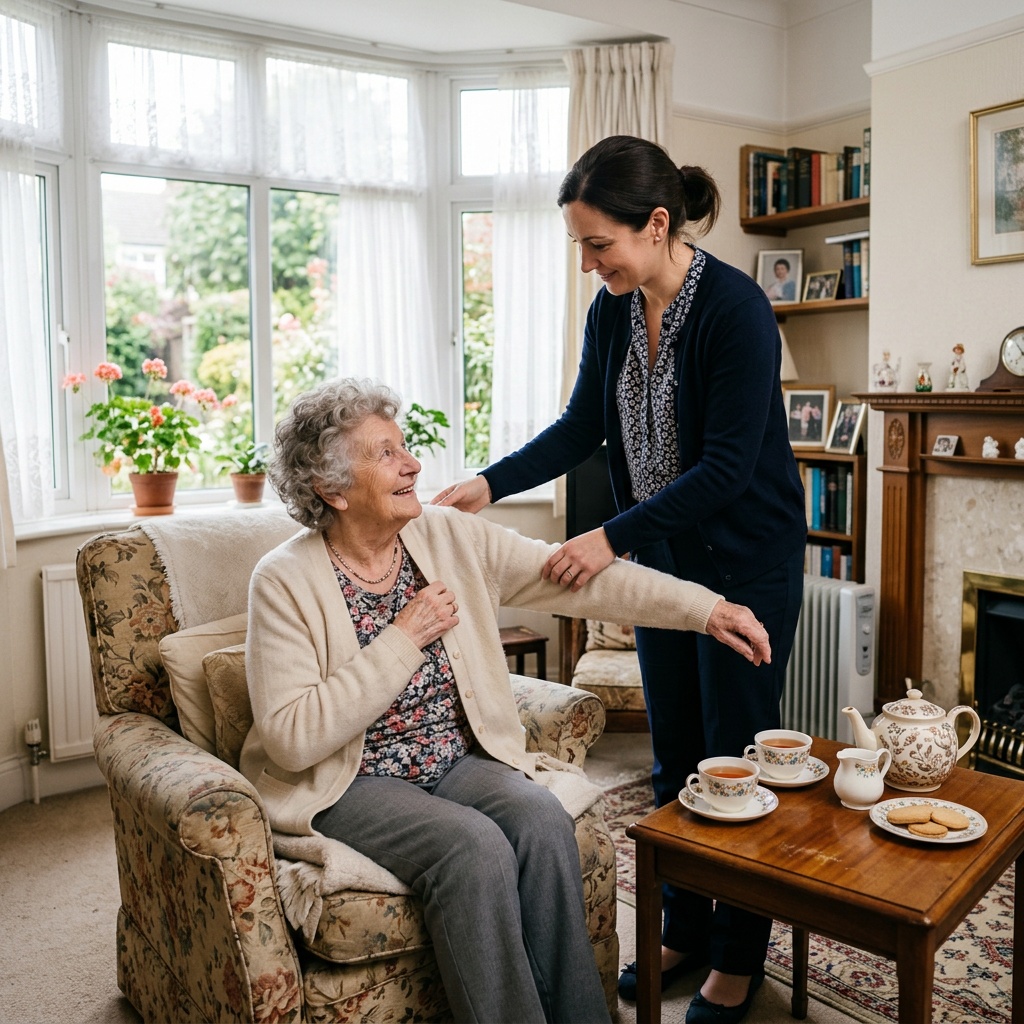
If you are a personal assistant providing personal care to a vulnerable adult on a regular basis, you are almost certainly carrying out what is legally defined as regulated activity. That means you are eligible for, and should obtain, an Enhanced DBS check with Adults’ Barred List.
This applies whether you are hired directly by the person you support, by a family member, or through a local authority direct payments scheme. The funding mechanism does not change the legal position. If you provide personal care regularly, the check requirement is the same.
Many local authorities now require PAs funded through direct payments to hold a current DBS certificate before payments begin.
Apply for Your Personal Assistant DBS Check. Get your Enhanced DBS check as a self-employed personal assistant fully online, digital ID verification, e-Bulk submitted today from self-employed-dbs.co.uk.
Until 21 January 2026, personal assistants hired through direct payments faced a significant problem: they could only apply for a Basic DBS check unless their employer (often the person they cared for, or a family member) acted as the applicant. In practice, many individual employers did not know how to do this, and the process was cumbersome and poorly understood.
A Basic check only shows unspent criminal convictions. It does not reveal spent convictions, cautions, local police intelligence, or whether someone appears on the Adults’ Barred List. For a client relying on a PA for intimate personal care, a Basic check offered very little reassurance.
A Statutory Instrument laid before Parliament on 30 November 2025 closed that gap. From 21 January 2026, self-employed individuals in paid regulated activity can apply for Enhanced DBS checks, including Barred List checks, through a registered platform, without needing an employer to sponsor the application.
For personal assistants funded through direct payments, this is exactly the scenario the law change was designed for. You can read the full story of what changed in our guide to DBS changes in 2025 and 2026.
What Type of DBS Check Does a Personal Assistant Need?
Enhanced DBS with Adults’ Barred List is the appropriate level for most personal assistants providing regular personal care. You qualify if you are providing personal care, including washing, dressing, eating or drinking assistance, medication management, or similar, and you do so on more than three days within any 30-day period.
This check reveals spent and unspent convictions, cautions, reprimands, relevant local police intelligence, and whether you appear on the Adults’ Barred List. You can read more about what an Enhanced DBS check includes and how to apply for one as a self-employed person.
Enhanced DBS without Barred List applies if your support role is more occasional, typically less than three days in any 30-day period, or if your duties do not include personal care.
Basic DBS is available to anyone but provides limited reassurance for personal care roles. Basic checks are handled directly through GOV.UK and do not require a registered platform.
How to Get a DBS Check as a Self-Employed Personal Assistant
The process is straightforward, though it differs from the route an employed personal assistant would take.
Check eligibility
You must be providing paid personal care in a qualifying role. Volunteers are not covered by this route.
Register an account
Self-employed PAs can now apply directly through a registered platform instead of relying on an employer.
Complete application
Personal details, 5 years of addresses, and information about the care you provide.
Verify your identity
Digitally via biometric passport or EU ID card, or with standard documents.
Receive certificate
Posted directly to you. Show the original to your client, their family, or the local authority.
How Long Does a DBS Check Take for Personal Assistants?
Standard Enhanced DBS checks typically complete within 14 days, though timelines can vary depending on the complexity of the check and whether police forces require additional time to process their portion of the application.
We use e-Bulk submission, which means your application is sent electronically to the DBS and processed faster than paper-based applications. If you subscribe to the DBS Update Service afterwards, future status checks by new clients or local authorities are instant.
There is no official fast-track route for Enhanced DBS checks. Standard processing times apply to all applications. Read more about how long a DBS check takes and how it works.

How Much Does a DBS Check Cost for a Personal Assistant?
The DBS statutory fee for an Enhanced check is £49.50. This is set by the government and is the same regardless of which platform you use.
You can see a full breakdown of all fees, including the Basic and Standard DBS costs, on our DBS check costs for self-employed page.
This guide applies to self-employed personal assistants in England and Wales only. Self-employed personal assistants in Scotland should apply through Disclosure Scotland. In Northern Ireland, the equivalent service is AccessNI. This page is for guidance only and does not constitute legal advice. If you have questions about your specific circumstances, contact our support team or consult a qualified legal adviser.
Ready to Apply?
Frequently Asked Questions
Answers to the most popular questions we get about DBS Checks and our Platform
I am hired through direct payments. Can I apply for my own DBS check?
Yes. From 21 January 2026, personal assistants hired through direct payments can apply for Enhanced DBS checks through a registered platform. You no longer need your employer or the local authority to process the application on your behalf.
Does the person I care for need to do anything for my DBS application?
No. The self-employed route means you apply independently. Your client does not need to act as your employer or countersign the application. The registered platform handles the entire process.
What level of DBS check do I need as a personal assistant?
Most personal assistants providing regular personal care need an Enhanced DBS check with Adults’ Barred List. If your role is occasional or does not include personal care, an Enhanced check without Barred List may be appropriate.
Will my local authority accept a DBS check from this platform?
Yes. DBS certificates are issued by the Disclosure and Barring Service regardless of which registered body submits the application. The certificate is the same official document your local authority expects.
How long is a DBS certificate valid?
A DBS certificate has no official expiry date. However, it is only accurate on the day it is issued. Many local authorities expect a certificate less than three years old, or an active DBS Update Service subscription for ongoing status checks.
What is the DBS Update Service and should I register?
The Update Service costs £16 per year and lets clients or local authorities check your certificate status online with your consent. It saves you from needing a full new DBS check each time you take on a new client.
Can I work as a PA while waiting for my DBS check?
This depends on the local authority and your client’s preference. Some will allow you to start with a risk assessment in place; others will not engage you until the certificate is issued. Check with the relevant local authority.
What happens if my DBS check shows a conviction?
A conviction does not automatically disqualify you from working as a personal assistant. Your client and, where applicable, the local authority will assess the nature, seriousness, and age of the offence in context.
I support someone with a personal health budget. Does this route apply to me?
Yes. Personal health budgets and direct payments both involve individually hired care. The self-employed DBS route applies to personal assistants funded through either mechanism.