DBS Checks for Live-in Carers
What Is a DBS Check for Live-in Carers?
A DBS (Disclosure and Barring Service) check is a criminal record check that reveals whether someone has convictions, cautions, or other information that could make them unsuitable to work with vulnerable adults.
For self-employed live-in carers, the stakes are higher than most care roles. You are not visiting for an hour. You are living in someone’s home, often providing intimate personal care around the clock. Clients and their families need absolute confidence that the person sharing their home has been properly vetted.
Most self-employed live-in carers will need an Enhanced DBS check with a check of the Adults’ Barred List. This is the most thorough criminal record check available and is the standard expectation for anyone providing residential personal care.
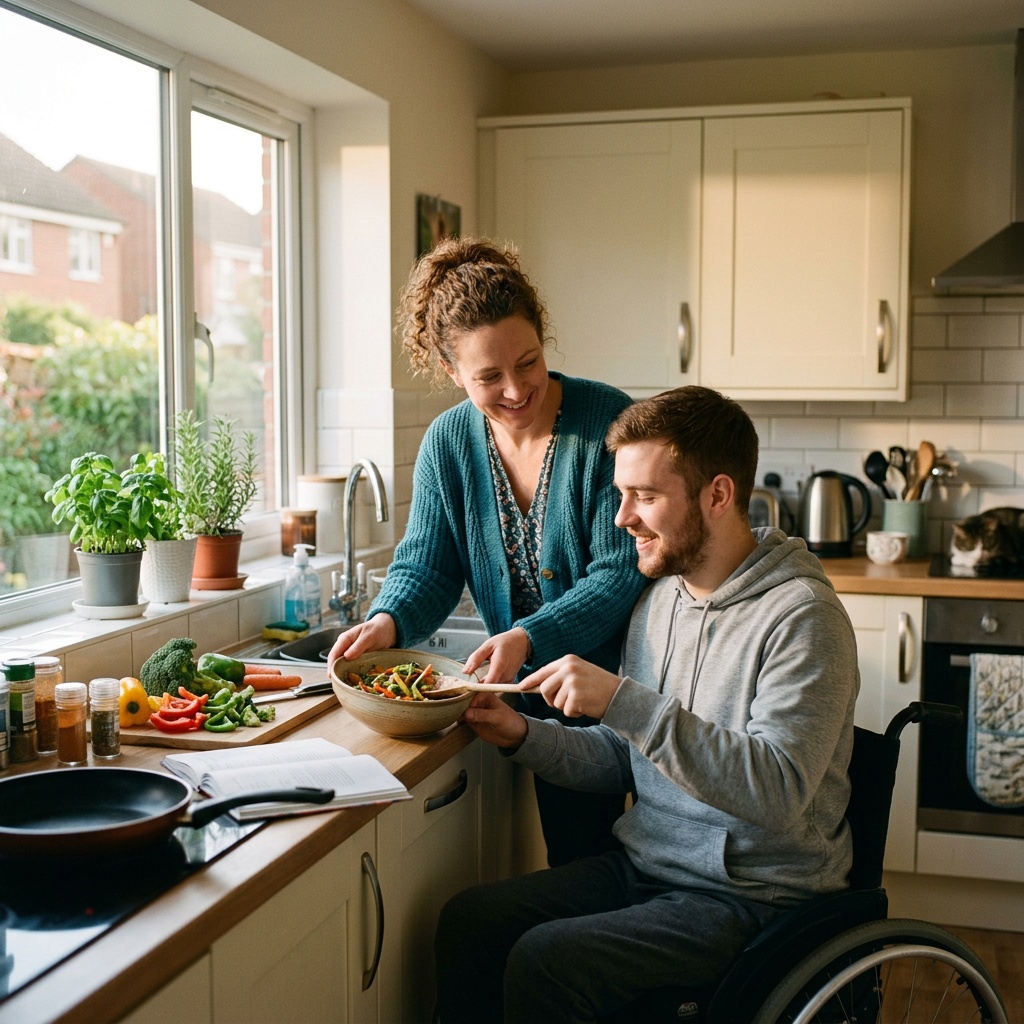
Do Self-Employed Live-in Carers Need a DBS Check?
If you are providing personal care to a vulnerable adult in their home on a residential basis, you are carrying out regulated activity. There is no ambiguity here. Live-in care is, by definition, regular and involves personal care. You are eligible for and should hold an Enhanced DBS check with Adults’ Barred List.
Beyond the legal position, the practical reality is clear. No private client or family will invite someone to live in their home and provide intimate care without a current DBS certificate. Agencies and introductory platforms that match live-in carers with clients universally require one.
Apply for Your Live-in Carer DBS Check. Get your Enhanced DBS check as a self-employed live-in carer fully online, digital ID verification, e-Bulk submitted today from self-employed-dbs.co.uk.
Until 21 January 2026, self-employed live-in carers could only apply for a Basic DBS check unless an employer or agency acted as the applicant. For a role that involves living in someone’s home, a Basic check that only shows unspent convictions was wholly inadequate.
The gap was particularly problematic for privately arranged live-in care, where a family hires a carer directly without going through an agency. In those cases, there was often no employer to sponsor an Enhanced check, and the family had no way to obtain one independently.
A Statutory Instrument laid before Parliament on 30 November 2025 fixed this. From 21 January 2026, self-employed individuals in paid regulated activity can apply for Enhanced DBS checks through a registered platform.
For live-in carers, this means you can now obtain the level of vetting that clients and families have always expected, without needing an agency to process it for you. You can read more in our guide to DBS changes in 2025 and 2026.
What Type of DBS Check Does a Live-in Carer Need?
Enhanced DBS with Adults’ Barred List is the correct level for virtually all live-in carers. Live-in care involves regular personal care by definition, so you meet the threshold for regulated activity.
This check reveals spent and unspent convictions, cautions, reprimands, relevant local police intelligence, and whether you appear on the Adults’ Barred List. You can read more about what an Enhanced DBS check includes.
If your live-in role involves caring for a child as well as an adult, you may also need a check against the Children’s Barred List.
A Basic DBS check is not adequate for live-in care. It provides nowhere near the level of assurance that clients, families, and introductory platforms expect for residential care roles.
How to Get a DBS Check as a Self-Employed Live-in Carer
The process is straightforward, though it differs from the route a live-in carer placed through an agency would take.
Check eligibility
Live-in carers providing personal care are eligible for an Enhanced check with Adults' Barred List.
Register an account
Self-employed live-in carers can now apply directly without an agency or employer.
Complete application
Personal details, 5 years of addresses, and information about your live-in care role.
Verify your identity
Digitally via biometric passport or EU ID card, or with standard documents.
Receive certificate
Posted directly to you. Show the original to your client or their family before placement begins.
How Long Does a DBS Check Take for Live-in Carers?
Standard Enhanced DBS checks typically complete within 14 days, though timelines can vary. For live-in carers, it is worth factoring DBS processing time into your availability planning, particularly if a placement has a specific start date.
We use e-Bulk submission, which means your application is processed electronically and faster than paper-based routes. The DBS Update Service (£16 per year) is particularly useful for live-in carers who move between placements, as it allows new clients to verify your certificate instantly.
There is no official fast-track route for Enhanced DBS checks. Read more about how long a DBS check takes.

How Much Does a DBS Check Cost for a Live-in Carer?
The DBS statutory fee for an Enhanced check is £49.50. This is set by the government and is the same regardless of which platform you use.
You can see a full breakdown of all fees on our DBS check costs for self-employed page.
This guide applies to self-employed live-in carers in England and Wales only. Self-employed live-in carers in Scotland should apply through Disclosure Scotland. In Northern Ireland, the equivalent service is AccessNI. This page is for guidance only and does not constitute legal advice. If you have questions about your specific circumstances, contact our support team or consult a qualified legal adviser.
Ready to Apply?
Frequently Asked Questions
Answers to the most popular questions we get about DBS Checks and our Platform
Do I need a DBS check for every live-in placement?
Not if you subscribe to the DBS Update Service. It allows each new client or family to verify your existing certificate is still current, without you needing a full new application each time.
Can I get a DBS check without going through a care agency?
Yes. From 21 January 2026, self-employed live-in carers can apply for Enhanced DBS checks through a registered platform. You no longer need an agency to process the application.
I was hired privately by a family. Does this route apply?
Yes. This route is specifically designed for carers who are hired directly, whether through private arrangement, word of mouth, or an introductory platform, and have no agency to sponsor a DBS application.
What level of DBS check do agencies expect for live-in care?
Virtually all live-in care agencies and introductory platforms require an Enhanced DBS check with Adults’ Barred List. A Basic check is not considered adequate for live-in roles.
How long is a DBS certificate valid?
A DBS certificate has no official expiry date, but it is only accurate on the day it is issued. Most agencies and clients expect a certificate less than three years old, or an active DBS Update Service subscription.
What if the family I work for also has children?
If your role involves regular unsupervised contact with children in the household, you may also need a check against the Children’s Barred List. The correct level depends on the nature of your duties.
Will my DBS certificate show where I have lived?
No. A DBS certificate shows your name, date of birth, and the results of the criminal record check. It does not include your address history, even though you provide five years of addresses as part of the application.
Can my client check my DBS certificate online?
Only if you register for the DBS Update Service. This allows clients to carry out a free, instant online status check using your certificate number and date of birth, with your consent.